
Why we only work exclusively with clients
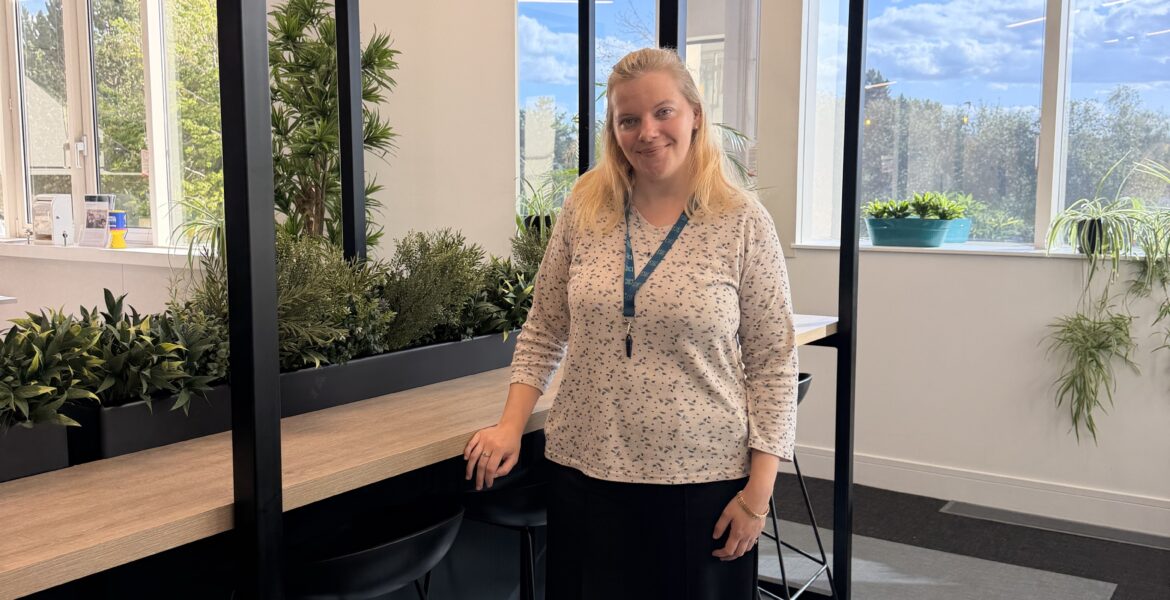
Before I joined Thompson & Terry Recruitment, I’d already worked in recruitment. I arrived thinking I knew the job. You build a database, you register CVs, and when a role comes in, you see who you already have.
That isn’t what I found here. If I’m honest, it felt strange at first. There was no list of candidates waiting to be matched to a vacancy. The search starts when the role comes in and the focus is on finding the right person for that particular opportunity.
The more I understand this approach, the more I see why it matters.
What I was used to
In my previous roles, a busy week often meant volume. How many CVs could go across? If a client was already working with other agencies, you joined them and tried to be first. It looked busy, but it didn’t always mean the right person got the job.
I still see that with businesses now. When employers need to recruit, working with multiple recruitment companies can seem like the obvious way to reach more people and get the role filled quickly. However, more CVs don’t necessarily mean more suitable candidates.
For employers, reviewing unsuitable CVs takes time and it can make it harder to identify the people who genuinely have the skills, experience and potential to succeed in the role.
That’s where I started to understand why we at Thompson & Terry take a different approach.
What changed my mind
At Thompson and Terry, we don’t simply pull CVs from a database and try to match them to a vacancy. Each role is a fresh search, built around the brief and what the business needs.
Quite often, the person we want isn’t actively looking for a new job. Finding them takes a more proactive approach, along with a proper understanding of the opportunity and what might make someone consider a move.
What surprised me most was what happens before a CV even becomes an application.
We set out by actively headhunting the very best candidates for the role (whether they are in the active market or not) and speak to candidates on the phone. If we believe the candidate is a strong fit, the right experience and cultural fit, we will then interview them ourselves, as if we were the hiring manager, and talk through the role in full detail; including the good, the bad and the ugly.
We want to understand more than what’s written on a CV. Does the opportunity genuinely appeal to them? Do their skills and experience match what the client needs? Are there any questions or concerns we need to explore before making an introduction?
Only then do we put them forward, and only if we would hire them ourselves.
A CV on its own isn’t enough. That was the part I had to get used to.
The more time you spend speaking to someone, understanding their experience and discussing the realities of a role, the better placed you are to make a considered introduction. It also means we can give clients a clearer picture of the person behind the CV, rather than simply forwarding an application and leaving them to work it out.
Why we only do it exclusively
That process needs time, and it needs one clear brief. When several agencies are working on the same role, there can be pressure to be first. The focus can shift towards getting CVs in quickly, rather than taking the time to find and assess the right people properly.
There can also be duplication, with candidates hearing about the same opportunity from different recruiters. For everyone involved, that can make the process more complicated than it needs to be.
Working exclusively allows us to focus our efforts on one search. We can spend time understanding the brief, identifying the right people, having proper conversations and assessing whether the opportunity is genuinely right for both parties.
It also allows us to build a closer working relationship with the client. Honest conversations, regular communication and feedback all help us understand what’s working, what isn’t and whether we need to adjust our search.
If we’re unsure about a candidate, that conversation matters. Client feedback helps us refine our understanding of the role and what the business is willing to consider. The more we learn, the better targeted the search becomes.
For me, this is the real benefit of exclusivity. It isn’t exclusivity for the sake of it. It’s having the time, trust and focus to do the job properly, to ensure we are fulfilling our mission statement.
The Results Speak for Themselves
The results are what convinced me.
In 2025, 81.9% of the first CVs we submitted to clients successfully got the job, compared with a national average of circa 5%.
Having worked the other way, I can see where that difference comes from. It’s the conversation before the CV goes across, the time spent understanding the brief and the work that happens before we introduce someone to a client.
Of course, every vacancy is different, and recruitment will never be an exact science. But our approach is built around making considered introductions, rather than sending as many CVs as possible and hoping one is right.
For our clients, that means we’re not simply asking them to review a list of potential candidates. We’re introducing people we’ve taken the time to understand and genuinely believe could be right for their business.
And that’s what we want every introduction to achieve.
Thinking About Your Next Hire?
Choosing a recruitment partner is about more than finding someone to fill a vacancy. It’s about finding a team that understands your business, takes the time to understand what you need and is committed to helping you make the right hire.
At Thompson & Terry, we take a tailored approach to every search, combining a thorough understanding of your business and the role with a proactive search for the right person.
If you’re planning a hire and want to understand how we work, find out more about how we work with our clients or get in touch for a conversation about your recruitment needs.
T: 01235 797 177
E: jobs@thompsonandterry.co.uk